venice-information.com is an English-language guide to Venice written by a single author, with a substantial section on getting around the city and arriving from the airport. Our verdict: it is a pleasant read and the first-hand experience shows, but it is a heavily monetised site built on affiliate links with no visible disclosure to that effect, and its own about page gives a founding date that public records don’t confirm. Use it to get your bearings, not as a source for fares, phone numbers or rules.
One thing we owe you up front, since we are talking about affiliate income: we too can earn a commission on bookings made through our links to GetYourGuide and Tiqets, and we say so on every page. The point of this review is not that a site makes money, but whether it says so.
Who writes it
The author is Rudmer Hoekstra, who lives in the Netherlands and runs the site with his partner Miyuki. He says he visits Venice at least once a year and links to his professional profile, so this is not an anonymous site: there is an identifiable person behind it, which is already more than many travel portals offer.
The project is presented as the English version of a Dutch-language site by the same author, grown from a handful of initial pages to around 180 pages. The author also says he receives an average of three reader emails a day, which suggests a real and loyal audience.
Technically it is built on a commercial website-builder platform: a common choice for one-person projects, and one that also explains why the structure is the classic shape of the personal travel guides of years past.
The date that doesn’t add up
The about page places the site’s launch a decade earlier than the domain registration and the earliest snapshot held in the web archive, which agree with each other and are much more recent.
That isn’t necessarily a piece of sharp practice: the older date may refer to the Dutch-language site or to the author’s first trip to Venice. But for a reader weighing up how authoritative a source is, the difference matters, and it is worth knowing about.
What it covers, and what it covers well
The contents page is wide: general information and history, the airport, the weather, transport and transfers (from the airport, from Mestre, within Venice), parking, hotels and apartments, flights and trains, attractions, tours, restaurants, shopping, masks, Carnival and events, right through to the access fee.
The transport section is written in the first person and it is practical: it explains the logic of getting around — why you walk in Venice far more than you expect, what changes between a scheduled boat and a private one, how arriving on the mainland works — and it also points readers to the official local public transport sources. For anyone planning a first trip it is a useful read.
Strengths
- First-hand experience and a recognisable personal voice, not generic aggregator copy.
- An identifiable author, with contact details and a public profile.
- Very broad coverage for a one-person project, with practical advice on getting around.
- It points readers to the official public transport sites in several places, rather than setting itself up in their place.
Weaknesses
- Pervasive, undeclared monetisation: almost every booking route it suggests runs through a tracked link.
- No affiliate transparency page that we could find, and none of the words that would signal one appear in the visible text of the transport page.
- A stated launch date that conflicts with the public domain records.
- The about page openly proposes link exchanges with other sites: a ranking practice that, in terms of editorial independence, has to be taken into account.
- It is not a primary source: fares, licences and phone numbers still have to be verified elsewhere.
How it makes money
In the page code, the commercial links carry recognisable affiliate identifiers. The range is wide: a white-label transfer booking service hosted on a subdomain of the site itself, the two big ticket and experience platforms (including the private airport transfer, the shared water taxi, the Alilaguna boat and public transport passes), a parking network, a hotel booking portal and a bike tour service. The author also sells paid mini-guides on a digital crafts marketplace.
None of this is illegitimate: it is the business model of most travel publishing, ours included. The objection is a different one: when the recommendation and the revenue coincide, the reader has a right to be told so plainly, and here that disclosure isn’t visible.
What to always re-check
Three categories of information should never be taken from any personal guide, this one included:
- Regulated fares. Under the Comune di Venezia tariff a water taxi starts at €15 plus €2 a minute on city routes, with +€5 for a phone booking and +€10 at night between 22:00 and 06:00; the airport ↔ historic centre run is fixed at €110 per boat. Operators’ commercial price lists are higher and are a different thing altogether.
- Rules and numbers. Licences, taxi stations, consortium contacts and opening hours change by administrative decision, not when a web page is updated.
- The access fee. This is the topic that goes stale fastest: conditions, windows and amounts have changed with every trial. Check it on the city’s portal before you travel.
Same ride, two booking sites
Live prices from our partner feeds. Tap a button to open the listing.
| Platform | Price | Rating | Duration | Book |
|---|---|---|---|---|
| Tiqets Marco Polo Airport: Direct Bus From Venice City Center Best price | €12per person | ★ 4.7549 reviews | 20 min | Book on Tiqets |
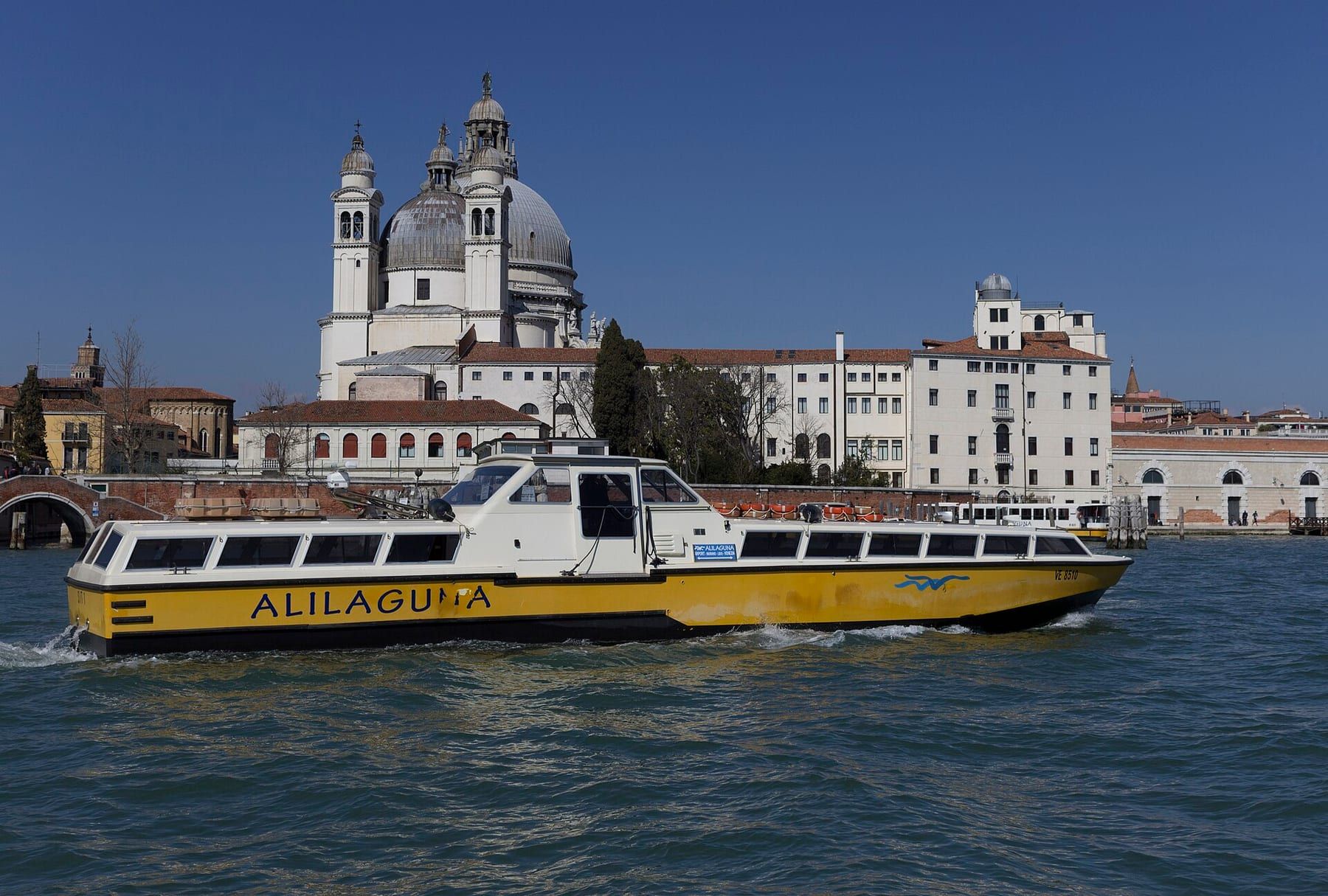
| Tiqets Marco Polo Airport: Alilaguna Boat To/From Venice City Center Top rated | €18per person | ★ 4.31,078 reviews | 50 min | Book on Tiqets |
When to use it, and what to read alongside
Read it to understand the shape of the trip: where it pays to stay relative to the landing stages, how much walking is really involved, why arriving by boat changes your first hour in Venice. For the numbers, pair it with sources that say where they got them.
On community sources, our review of the Rick Steves forum explains why a forum without advertising is more useful on logistics than on prices. To work out who sells what, the full list of our analyses is in operators and platforms, with reviews of GetYourGuide and Alilaguna. Verified price benchmarks are in fares and prices, and the comparison of the ways into the centre is in water taxi, Alilaguna or vaporetto.
In short: venice-information.com is a guide that is honest in spirit and useful in its structure, written by someone who genuinely knows the city, but it is also a commercial shop window that doesn’t declare itself as one. Take its advice on method, check every figure at the source, and decide where to book after comparing the channels.
Frequently asked questions
Who writes venice-information.com?
A Dutch author, Rudmer Hoekstra, who runs it together with his partner Miyuki and says he visits Venice at least once a year. The site is the English version of a project of his in Dutch.
Is venice-information.com an official source on Venetian transport?
No. It is a personal guide. For fares, licences, timetables and phone numbers the sources are the Comune di Venezia, Marco Polo airport and the AVM group.
Does the site earn money on bookings?
The links to transfers, tickets, parking and accommodation carry affiliate identifiers belonging to the respective platforms. In the visible text of the transport page we found no disclosure to that effect.
Is the information up to date?
Treat it as indicative. The launch date the site states doesn't match the public domain records, and the topics that change most often, such as the access fee, go stale quickly.
Is it worth reading before a trip to Venice?
Yes, to get your bearings: it is written by someone who has genuinely seen the city and it explains the logic of getting around well. Prices and rules, though, need confirming at the official source.