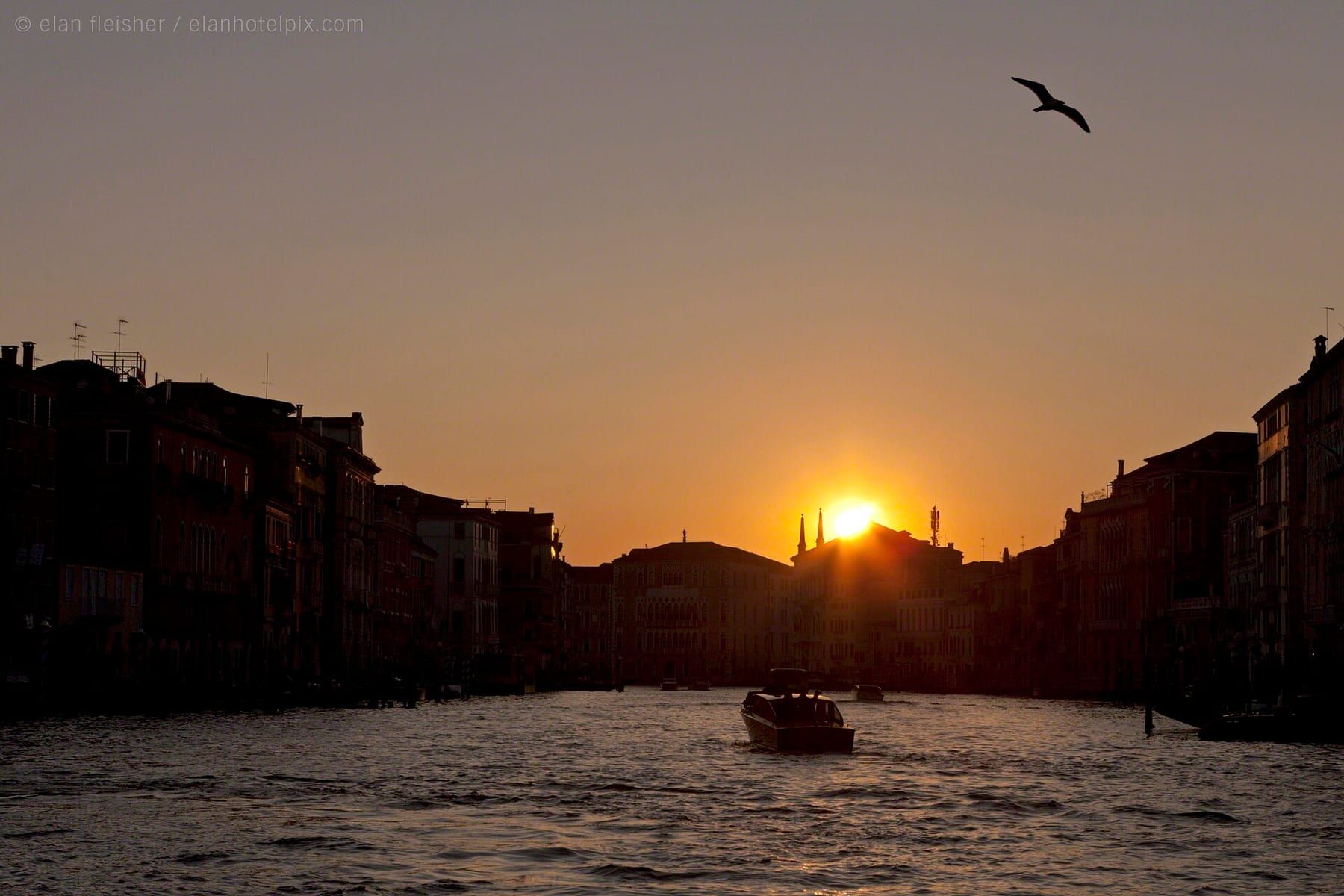
The most efficient way to see the Grand Canal by water taxi is not to book a tour: it is to stretch out a transfer you are making anyway. You arrive from the airport or from the station, you need a boat in any case, and asking the driver to head up the canal instead of cutting through the Giudecca Canal transforms the journey without doubling the bill.
The price anchor is the meter set by the Comune di Venezia, the city council: a €15 fixed charge on departure plus €2 a minute. Half an hour of slow cruising therefore costs €75 per boat, forty-five minutes €105. Per boat, again, not per person.
A fixed-price transfer, by contrast, covers the direct route and nothing else: from Piazzale Roma–Ferrovia to San Marco it is €60, to Rialto €50. If you want the scenic way round, the extra time has to be agreed before you get in.
-
from €215 per boat
Book on GetYourGuide -
from €18 per person
Book on Tiqets
How a transfer turns into a tour
The mechanics are simple, and worth knowing before you start negotiating on the jetty.
- Fixed-price run: the schedule lists pairs of points (Tronchetto, Piazzale Roma–Ferrovia, Rialto, San Marco, Lido, Casinò) with a set amount. The driver takes the shortest route and is under no obligation to make detours.
- Metered service: you pay for the time actually taken. This is the right formula for a sightseeing ride, because it explicitly covers slow cruising and stops.
- Hire with a skipper: for a long ride with several stops the price is agreed separately. Of Venice’s 250 licences, 193 are “bivalent”, meaning they combine taxi and hire work on the same boat.
Be concrete about how you ask: find out what the same transfer costs going via the Grand Canal, at sightseeing speed, and get a total before you step aboard. The same advice the city council gives for land taxis applies here: agreeing the price before the trip starts heads off any dispute.
If you book online, what you are buying is a transfer, not a tour: any detour remains an arrangement with the driver. How booking works is explained on How to book.
What you see on the way up the canal
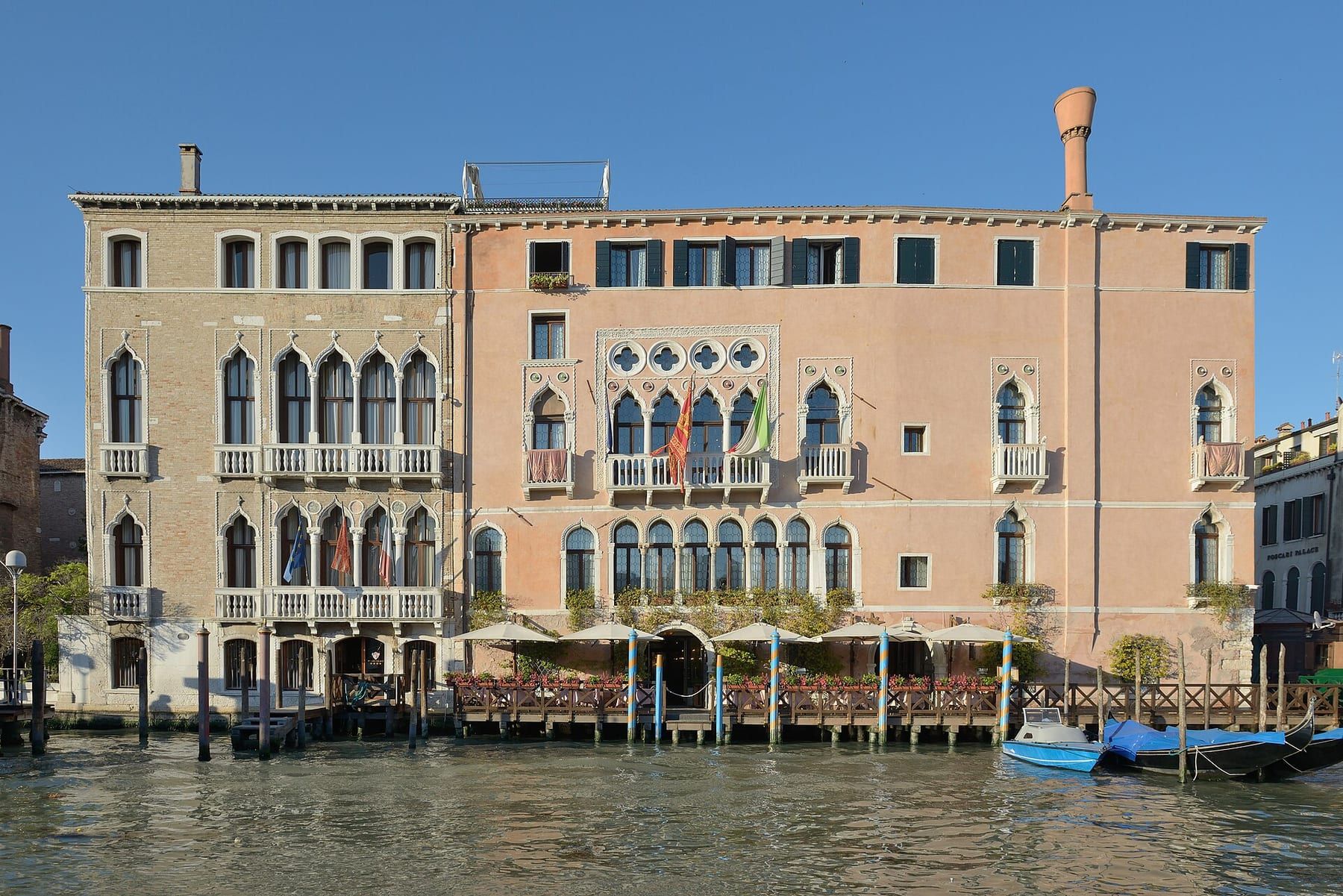
The Grand Canal crosses the city from Piazzale Roma to St Mark’s basin and gathers together the water frontages of the Venetian palaces. From a boat, low on the water, you see the façades as they were meant to be seen: from the water, not from the alleyways.
The landmarks that punctuate the route, in order as you go up:
- Ponte degli Scalzi and the Calatrava bridge, by Santa Lucia station
- Ca’ d’Oro and the palaces along the San Marcuola stretch
- The Rialto Bridge, the most photographed passage and the busiest
- Ca’ Rezzonico and Palazzo Grassi, on the central bend
- The Accademia Bridge
- The Basilica of Santa Maria della Salute and Punta della Dogana, where the canal opens onto the basin
A non-stop run is short. The value lies in the pace: asking the driver to slow down where it is permitted is what separates a transfer from a tour.
What it really costs: the numbers in the fare schedule
The schedule in force derives from city council resolutions (deliberazioni di Giunta comunale) no. 227 and no. 516, and is posted at each of the thirteen city taxi ranks. For a ride on the canal, four entries matter:
| Item | Standard amount | Reduced (residents and people with disabilities) |
|---|---|---|
| Fixed charge on departure | €15 | €12 |
| Urban routes, per minute | €2 | €1.60 |
| Call-out service surcharge | €5 | €4 |
| Night surcharge 22:00–06:00 | €10 | €8 |
Everything else follows from those:
- 20 minutes: €15 + €40 = €55
- 30 minutes: €15 + €60 = €75
- 45 minutes: €15 + €90 = €105
- 60 minutes: €15 + €120 = €135
Add €5 if you are picked up outside your hotel rather than at a rank, and €10 if you are on the water after 22:00. From the fifth passenger onwards the schedule adds €5 per person on metered service; on fixed-price runs the surcharge doubles to €10.
The fixed runs that overlap wholly or partly with the Grand Canal are useful as a yardstick: Piazzale Roma–Ferrovia → Rialto €50, → San Marco €60, Casinò (San Marcuola) → Rialto €40, Rialto → San Marco €60. If the quote you are given is far above these amounts, you are looking at a commercial rate: legitimate, but ask what it is based on. The full picture is on Prices.
Where you board
The pick-up points that matter for the Grand Canal are the city taxi ranks: Tronchetto (in front of the People Mover and in front of the ACTV landing stage), Piazzale Roma at the Parisi ramp and at Rio Novo, Ferrovia by the Scalzi church and next to the ACTV landing stage, Rialto at the Carbon and Cerva ranks, San Marco at the Molo, at the Ponte della Paglia, at the Vittorio Emanuele monument and at Ca’ di Dio, plus the Casinò at San Marcuola.
Setting off from a rank has two concrete advantages: you avoid the €5 call-out surcharge, and you have the fare sheet posted in front of you — which is also the best evidence if there is a dispute. A photo of the sign and the boat’s licence number is all you need to file a complaint with the city council.
If you are picked up outside your hotel, the surcharge does apply, and whether it is even possible depends on water access: many hotels on the Grand Canal have a private jetty, while those on the inner canals often do not. In that case you board at the nearest accessible landing stage, usually a few minutes’ walk away.
The alternatives, with their numbers
| Way | Cost | Basis | What you get |
|---|---|---|---|
| Private water taxi | €15 + €2/min | per boat | route and pace of your choosing, enclosed, door to door |
| ACTV vaporetto | €9.50 (75 minutes) | per person | the whole canal on a scheduled service, often standing |
| Alilaguna Orange Line | €18 from the airport | per person | up the canal with stops at San Stae, Rialto, Sant’Angelo, Ca’ Rezzonico, S. M. del Giglio |
| ACTV 24-hour pass | €25 | per person | the canal as many times as you like in a day |
| Gondola | — | per boat | inner canals, slow pace, a different experience |
The vaporetto is, objectively, the cheapest way to travel the Grand Canal: €9.50 for seventy-five minutes of the network. The drawback is the crush, especially in summer and with luggage.
Alilaguna’s Orange Line is an underrated option if you are flying in: it links the airport to the centre by going up the canal, with stops at Madonna dell’Orto, Guglie, San Stae, Rialto, Sant’Angelo, Ca’ Rezzonico and Santa Maria del Giglio, at €18 per person. The transfer costs you what it would have cost anyway, and you see the canal into the bargain.
Water taxi or gondola
These are two different products, and pitting them against each other leads you astray.
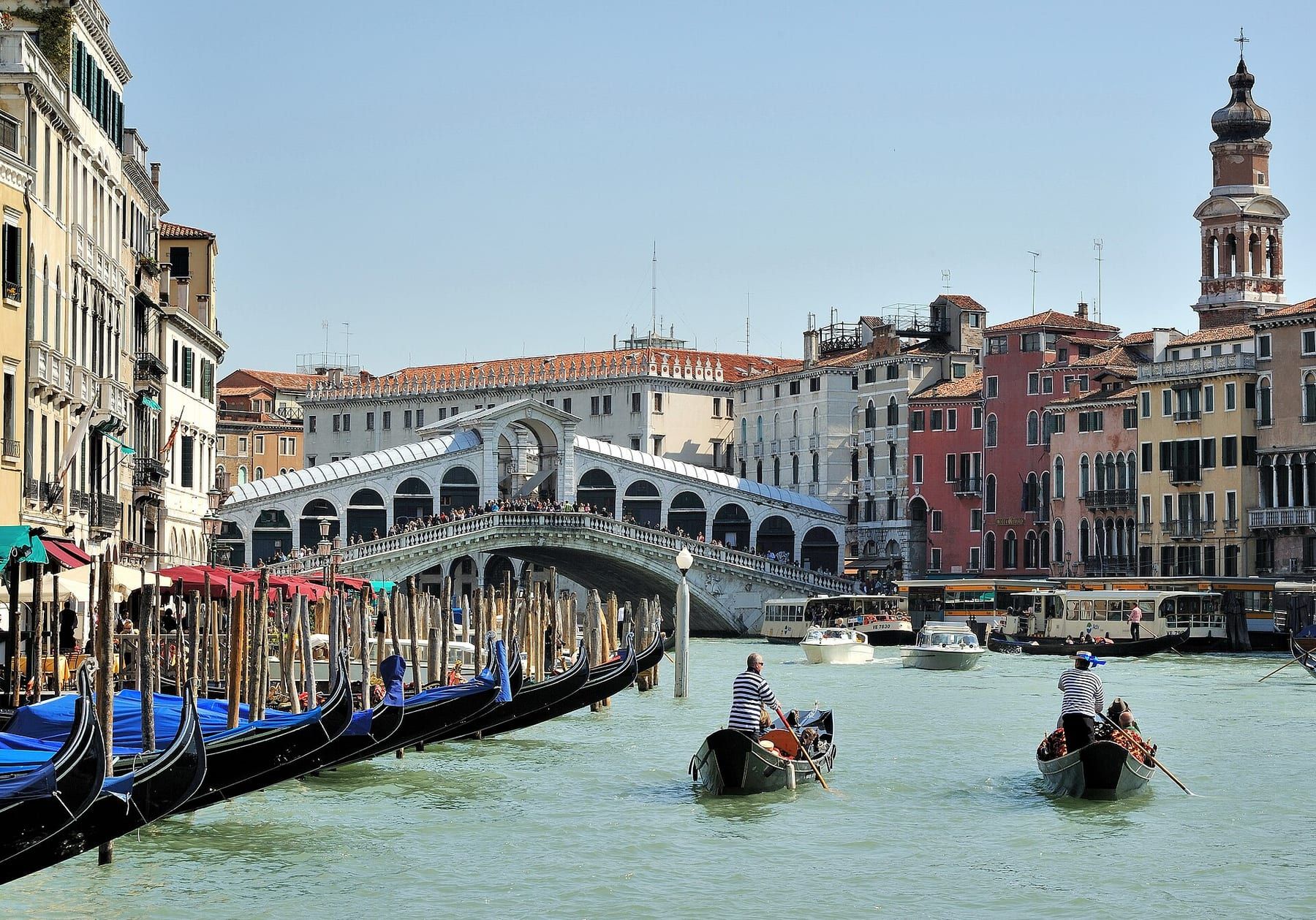
A gondola is slow, quiet and low on the water, and it is at its best in the inner canals, where a motorboat fits badly or not at all. It is an experience in itself, not transport: it will not carry your suitcases and it will not take you far. The official fare set by the Comune di Venezia is €90 for 30 minutes during the day and €110 for 35 minutes from 19:00, per gondola, for a maximum of 5 passengers.
A water taxi covers the whole Grand Canal, is enclosed if it rains, has a cabin and carries your luggage. If there are four or more of you, the per-boat price divided per head is competitive; if there are two of you, a gondola for the inner canals and the vaporetto for the Grand Canal is the more sensible combination.
The full reasoning on the private service — capacity, luggage, surcharges — is on Private taxi, while Water taxi guide explains how licences, meters and on-board etiquette work.
When to do it
Late afternoon. The low light on the façades is the best moment, and you are still outside the night-surcharge window.
Early morning. Less boat traffic, a quieter canal, and photographs without crowds on the bridges.
After 22:00. The lit-up palaces are worth the €10 surcharge in the schedule, but be aware that some operators apply their own terms: the Consorzio Motoscafi, for instance, charges €15 for transfers between 22:00 and 07:00. The details are on Night taxi.
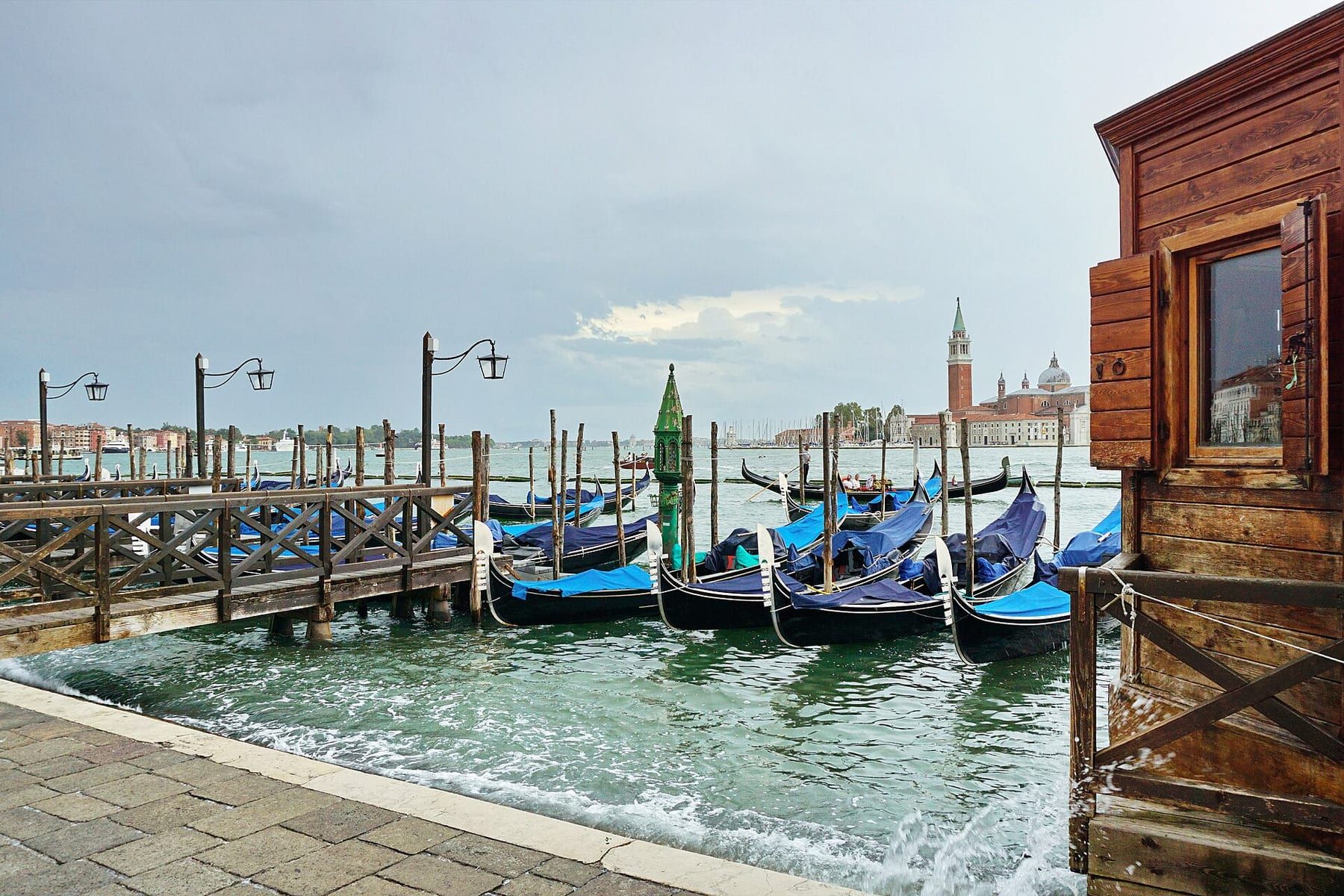
One honest warning about the tides: boats are affected by tidal conditions, which can shift both the departure time and the landing point. At high water a boat may not fit under the bridges of the inner canals; at low water some rii become barely navigable. On the Grand Canal the problem is smaller, but if your hotel is on an inner canal the last stretch may end up on foot.
Combine this with
- Airport → Venice if the ride grows out of an arrival transfer from the airport.
- Santa Lucia Station if you are starting from the station: the landing stage is right outside.
- Piazzale Roma and Tronchetto if you are arriving by car or coach.
- Prices for the complete table of official fares and commercial rates.
- How to book to work out when booking online pays off and when to negotiate at the rank.
The short version
A ride along the Grand Canal by water taxi costs exactly what the meter says: €15 on departure plus €2 a minute, that is €75 per boat for half an hour, plus any call-out and night surcharges. The smartest way to spend that money is to graft the ride onto a transfer you have to make anyway, agreeing the route, the pace and the total in advance.
If your Grand Canal begins at the airport, booking the private transfer in advance locks in the price and leaves you with only one job: telling the driver which way you would rather go.
Check private water taxi availability from €215 · ★ 4.5
Frequently asked questions
Can you ask a water taxi to go via the Grand Canal?
Yes, but agree it before you get in. A fixed-price run covers the direct route: the scenic detour is extra time, paid either on the meter or at a price agreed with the driver.
How much does a Grand Canal ride by water taxi cost?
On the meter you pay a €15 fixed charge on departure plus €2 a minute, under the fare schedule of the Comune di Venezia. Half an hour on the water therefore costs €75 per boat, before surcharges.
Is the price per person or per boat?
Per boat. Both the meter and the fixed-price runs refer to the vessel. From the fifth passenger onwards the schedule adds €5 per person on metered service and €10 on fixed runs.
Water taxi or gondola for seeing the Grand Canal?
They are different things. A gondola is slow, low on the water and suited to the inner canals; a taxi covers the whole Grand Canal in one go, is enclosed and takes your luggage. If you already have a transfer booked, extending it costs very little more.
How long does the Grand Canal take by boat?
It depends on traffic and the speed limits in force on the canal. As an order of magnitude, a non-stop run from Piazzale Roma to San Marco is a short trip; for a slow sightseeing ride, allow 30–45 minutes on the meter.
Is it better in the evening?
In the evening the palaces are lit and there is less boat traffic, but between 22:00 and 06:00 the official night surcharge of €10 kicks in. Late afternoon is the best compromise.
What is the cheapest way to travel the Grand Canal?
The vaporetto, on the ACTV 75-minute ticket at €9.50. If you are arriving by air, Alilaguna's Orange Line runs up the Grand Canal calling at San Stae, Rialto, Sant'Angelo, Ca' Rezzonico and Santa Maria del Giglio: €18 per person.
Can a water taxi stop for photos?
Where stopping is allowed, yes, but waiting is time the meter keeps counting. Factor it in when you agree the price.